Minecraft Starter Base Ideas for Beginners 2026: Essential Tips & Designs
Minecraft Starter Base Ideas for Beginners 2026: Essential Tips & Designs
You want a safe, useful base that takes little time and few resources. Build a compact starter house with a bed, storage, crafting area and a furnace close together, and you’ll survive your first nights while freeing time to explore and gather better materials. A simple, well-lit starter base that groups essential stations and storage in one small space gives you safety and speed so you can progress faster.
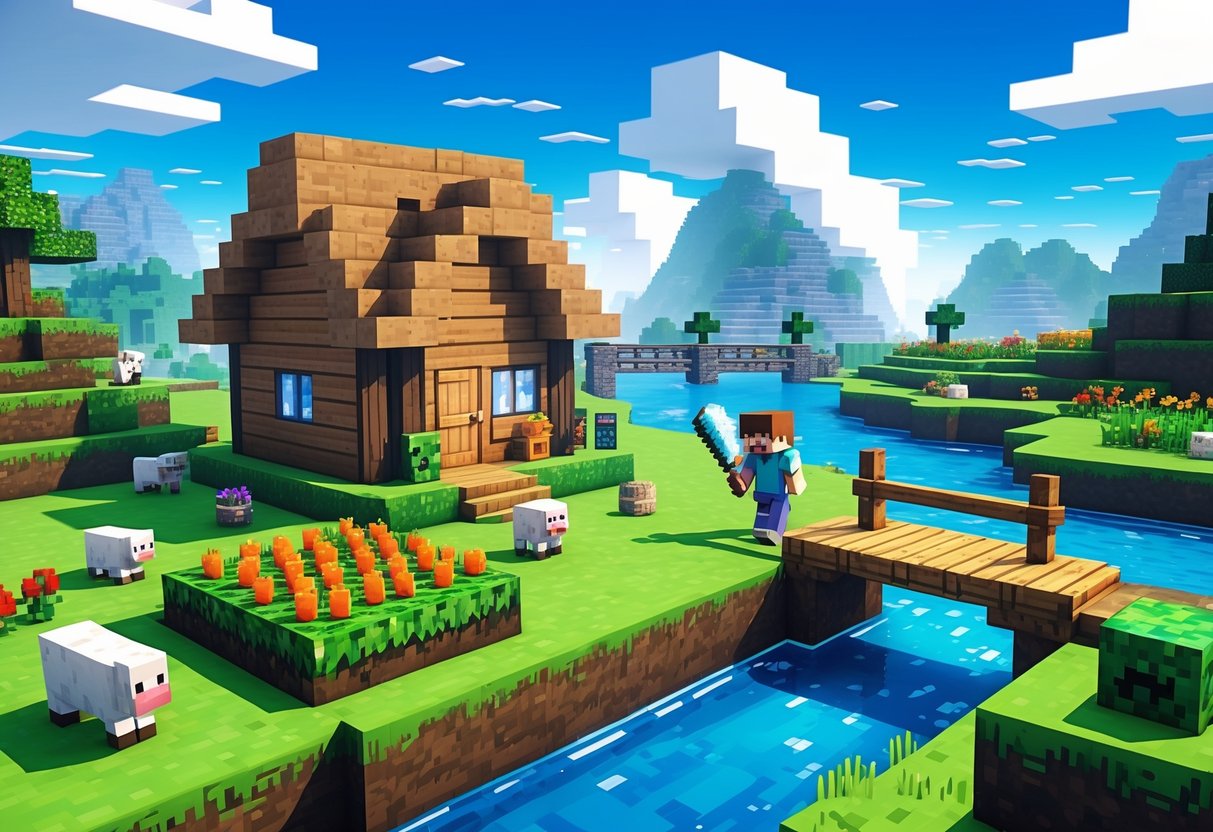
Pick a style that matches your biome and skill level — a cosy oak cottage, a compact cobblestone bunker, or a water-side dock house all work well — then add basic lighting, a chest layout, and a small farm. Keep expansion in mind so you can add an enchanting room, smelting area or extra storage as you gather resources.
Key Takeaways
- Prioritise compact layouts that put bed, crafting and storage within reach.
- Choose a design that fits your biome and building skill.
- Light, organised storage and space for upgrades make the base last.
What Makes an Effective Minecraft Starter Base?
A good starter base gives you safety, storage and easy expansion. Focus on a compact layout that fits essential blocks, uses common materials like oak planks, and sits in a location that cuts travel time and danger.
Core Functions and Safe Layouts
Your base must protect you at night and hold key tools. Prioritise one room that fits a bed, two chests, a crafting table and a furnace. Arrange these in a tight loop so you can move between them quickly during a raid or when low on health.
Use a compact layout: a 5x5 or 7x7 footprint works well. Place the door behind a short corridor or trapdoor to stop zombies from bumping it. Light the perimeter with torches or lanterns to stop mob spawns within a 16-block radius.
Add a simple defensive feature like a 1-block moat, raised platform, or fence gate. Keep windows small or use slabs and trapdoors to prevent skeleton shots. Reserve one corner for an emergency exit (ladder or tunnel) to escape if your main entrance is breached.
Essential Materials for Early Builds
Choose materials you can gather fast. Oak planks serve well: they stack, look decent, and craft into doors, slabs and trapdoors for quick upgrades. Carry at least 64 oak planks, 20 cobblestone and a stack of torches when building your first base.
Make a chest system with two small chests for immediate storage. Craft a furnace and a crafting table from wood and cobblestone right away. Keep spare wood, food and basic tools in the same chest so you can recover quickly after death.
Use slabs and trapdoors to save materials and prevent mob spawns on roofs and floors. If you find better materials later, upgrade walls to cobblestone or stone bricks while keeping the compact layout intact.
Choosing the Right Location
Pick a spawn-area that cuts travel time to resources. Plains and forest edges work best: you get easy tree access, flat land for farms, and visibility to spot mobs. Avoid dense jungles or mountains that slow building and hide threats.
Locate your base near freshwater for crop farms and fishing. If you can, set up within 100–150 blocks of a village or exposed coal to speed early trading and smelting. Keep sightlines clear for at least 20 blocks so mobs don’t ambush you.
Consider future expansion: place your starter base on slightly higher ground to build towers or farms later. Mark coordinates with signs or a map so you can find the compact starter base again after long explorations.
Popular Starter Base Designs for 2026
These designs focus on fast builds, material efficiency, and clear upgrade paths. You’ll learn which blocks save time, how to arrange workstations, and basic defensive features to add right away.
Classic Wooden Cabin
A wooden cabin uses oak planks or dark oak for a cosy, quick-to-build starter base. Build a 7×7 footprint to fit a bed, crafting table, furnace and two chests. Use oak planks for walls and dark oak stairs for a simple sloped roof to add depth without extra blocks.
Place windows at head height for daylight and to spot mobs. Put a small porch with a fence gate to stop spiders. Inside, line one wall with storage and a corner with a furnace and smoker. This layout keeps crafting and smelting close so you waste less movement.
For upgrades, replace some oak with stone bricks near the ground to resist creeper blasts. You can add a small farm beside the cabin and a ladder to a loft for extra sleeping space. The cabin scales well into a village-style hub.
Underground Bunker Concepts
An underground bunker gives strong protection while keeping a low profile. Dig a 9×9 room two layers below surface, then add a 1-block airlock entrance to prevent mobs from dropping in. Use stone or cobblestone for initial walls; later reinforce key walls with stone bricks.
Design a central corridor with side rooms: one for storage, one for smelting and one for food/farming. Place torches and glowstone to prevent mob spawns. A chest at the entrance holds emergency gear so you can rush out quickly.
Keep a hidden exit or water elevator to the surface for quick access. Bunkers work well as starter bases because they use common blocks and offer immediate safety. Expand vertically to add a mob farm or XP room later.
Modern Compact Homes
Modern compact homes use a tight footprint and clean materials for a compact layout that still looks fresh. Use white concrete, oak planks accents, and dark oak doors for contrast. Aim for a 6×8 base with an open-plan interior to house a bed, compact storage wall, and an enclosed corner for furnaces.
Use glass panes to create a small front façade window and a roof slab overhang for style without extra blocks. Arrange workstations along one wall: crafting table, anvil, and brewing stand in easy reach. Compact layouts reduce travel time and make resource loops faster.
Add a rooftop garden or balcony to increase useful space without changing the footprint. These homes scale well into multi-floor bases if you later add an elevator or ladder.
Lighting and Detailing for Beginners
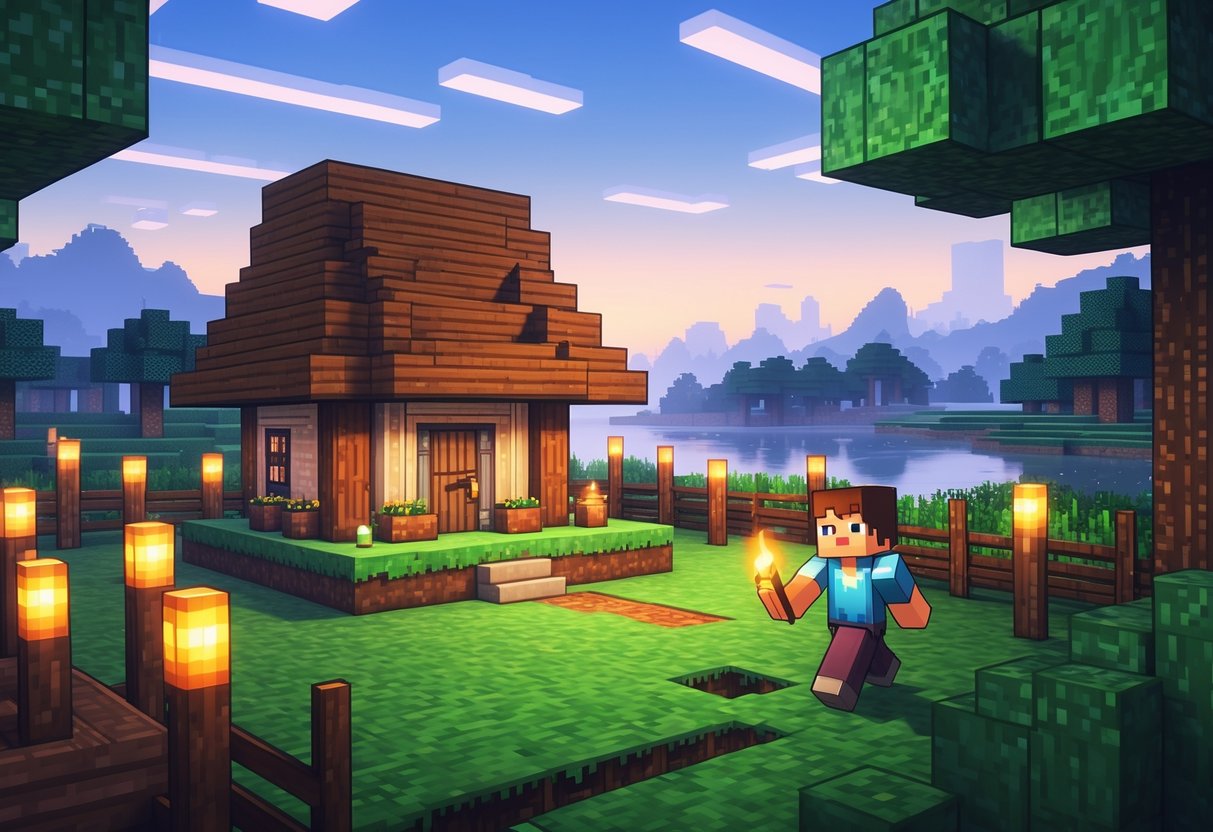
Good lighting keeps mobs from spawning and makes your base easier to use at night. Simple fixtures like torches and lanterns solve safety and style, while trapdoors add small but powerful visual depth.
Strategic Use of Torches
Place torches where light level matters. Aim for a light level of 8 or higher on all floor blocks to stop hostile mobs from spawning. Put torches on walls or fence posts every 6–7 blocks in hallways and rooms; corners often need an extra torch.
Use torches to mark important paths: entrance, stairs down to mines, and chests. Stick with oak or spruce fence posts if you want a consistent look when placing torches on posts outside. Remember torches burn indefinitely and are cheap to craft from sticks and coal — perfect for early survival.
Avoid over-cluttering interiors. A single torch on each side of a doorway plus one central torch in small rooms gives good coverage without hiding details. Replace some torches later with lanterns for a cleaner finish.
Lanterns for Atmosphere and Safety
Lanterns give brighter, warmer light and look cleaner than torches. Craft lanterns with one torch and eight iron nuggets. Hang lanterns from ceilings or place them on blocks near beds, workstations, and entrances.
Use lanterns to highlight key spots: by the front door, over your crafting area, or beside a stairwell. Hung lanterns that sit one block above head height avoid blocking sightlines. They emit light level 15 at the source and drop off slower than torches, so you can space them out more.
Lanterns work well on porches and docks for an attractive night-time glow. Swap a few interior torches for lanterns as soon as you have iron — it improves both style and functional lighting with minimal extra resources.
Adding Trapdoors for Depth
Trapdoors create depth without heavy resource cost. Use wooden trapdoors as shutters, low railings, or trim around staircases. Place trapdoors horizontally on the side of blocks to add a faux-beam or window sill effect.
Combine trapdoors with lanterns: hang a lantern inside a 2×2 recess framed by trapdoors for a recessed light niche. This keeps the lantern visible but less obtrusive. Use iron trapdoors for a tougher, industrial look around furnaces or storage rooms.
Trapdoors also work as compact doors for small rooms and as decorative floors over slabs to add texture. They’re inexpensive — just six planks per trapdoor — and easy to rotate so you can match grain direction or colour to your build.
Essential Interior Features and Storage Solutions
Keep your base organised, safe, and fast to work in. Place [core stations](https://gaminggiz.blogspot.com/2025/12/Top 10 Must-Have PC Accessories for Enhanced Productivity and Performance.html) near storage, use clear labels, and plan a small overflow area for bulk items.
Optimal Chest Arrangement
Place a double chest next to your crafting table and furnace for quick access to common materials like wood, cobblestone, and coal. Use a single chest for valuables such as diamonds and enchanted books, and lock it behind a door if you play multiplayer.
Stack chests in rows with signs or item frames on the front to show contents at a glance. Leave one block of walking space in front of chest rows so you can open the double chests without trouble.
Keep dupes of essentials in nearby shulker boxes or a second double chest for quick restock during building or mining runs. Colour-code chests with banners or place different blocks under them to speed up recognition.
Overflow Storage Techniques
Reserve one room or a column of chests for overflow storage. Use labelled double chests for broad categories: “Building Blocks”, “Ores & Ingots”, “Food”, and “Mob Drops”. This keeps rare items separate from bulk materials.
Compress common blocks into chests of a single type—e.g., all stone variants together—so you don’t waste search time. Use hoppers under furnaces or smelters to move processed items automatically into an overflow chest.
For very large farms, set up a simple minecart-hopper loop to shuttle items to the overflow area. Keep an empty double chest near your entrance for items you pick up while exploring; sort them later to avoid clutter.
Using Item Frames and Armour Stands
Use item frames on chest faces to show what’s inside each chest. Rotate the frame to give visual cues (e.g., upside-down for rare stuff). Item frames work well on single and double chests; place one on each chest block of a double chest for clearer labels.
Put armour stands near storage to display sets for specific tasks: mining armour with an Efficiency pick, farming clothes with boots that have Feather Falling, or combat kits with a shield. This helps you equip quickly.
Combine frames and stands: hang a tool in an item frame above a chest, and place the matching armour set on a stand beside it. That creates a ready-to-grab station and cuts down time spent searching during danger or work sessions.
Functional Additions and Room Ideas
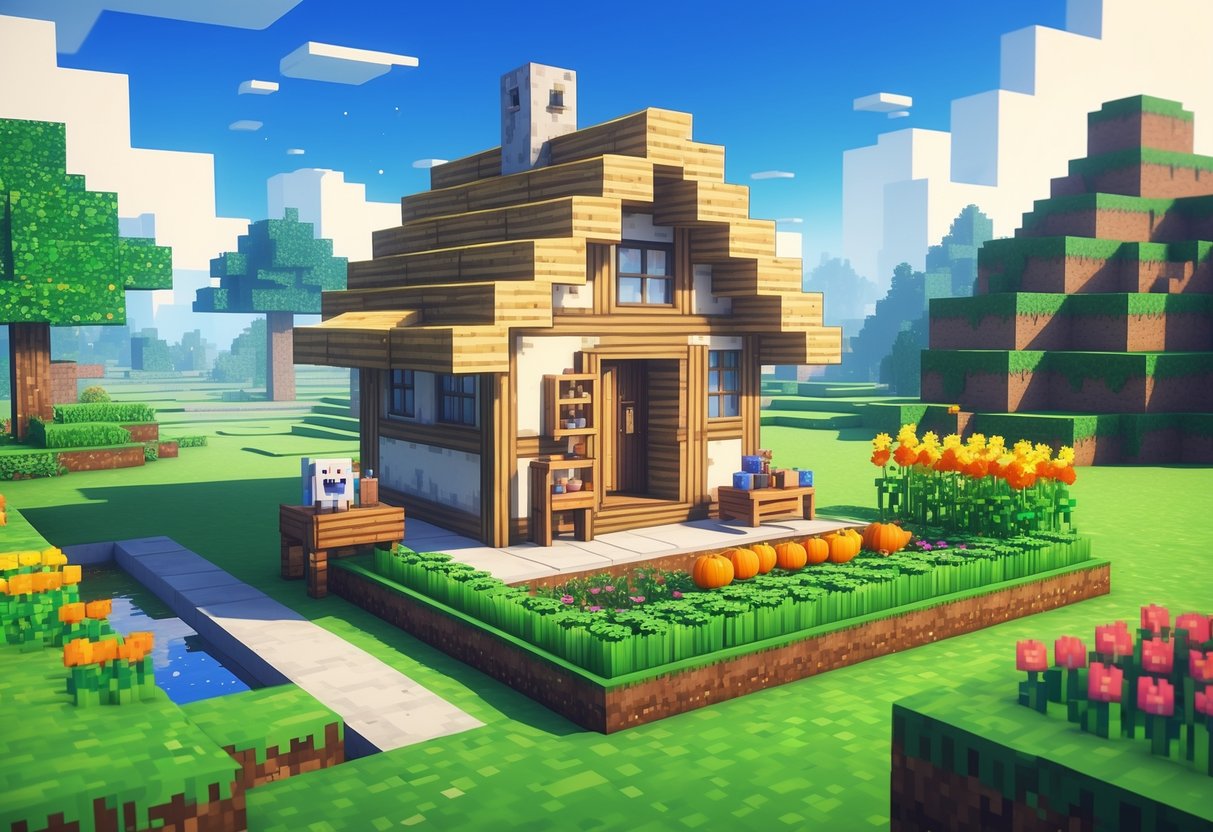
Plan each space so it saves time and keeps items organised. Focus on compact layouts, clear item flows, and safety features like lighting and secure access.
Smart Use of Crafting and Smelting Areas
Place your crafting table, furnace/smoker/blast furnace, and anvil on one wall to cut movement time. Use a 3×1 or 4×1 “crafting wall” so you can stand in front of everything. Stack furnaces and smokers vertically to smelt ores and cook food separately.
Label chests above or beside each machine with item frames: “Ores”, “Food”, “Fuel”, “Tools”. This prevents chest clutter and speeds crafting.
Add a small hopper line into a furnace array for automated smelting later. Keep a single chest for fuel (coal, charcoal, or blocks) to the side. Place a lantern above the work area and torches around the floor to stop mob spawns.
If you intend to enchant, situate the enchanting nook nearby but one block away from the main work wall to avoid crowding.
Miniature Farming and Composters
Build a 3×3 or 9×3 crop plot inside or just outside your base for wheat, carrots and potatoes. Use a single water source covered by slabs or trapdoors to avoid trampling. Put a composter next to the crop storage chest so you can turn excess crops and seeds into bone meal fast.
Label one chest “Seeds & Food” and another “Bone Meal & Compost” to keep items separate.
Include a small animal pen (2–4 animals) with a gate beside the farm to breed for meat and leather. Use a 2×2 sugarcane strip near water for paper and maps. Light the area with lanterns or glow lichen to keep mobs away and crops growing.
Place a barrel or chest under a trapdoor workbench for quick seed access when you tend the plot.
Dock and Outdoor Extensions
If you’re near water, build a 3×6 dock with a one-block-high railing and a boat chest at the far end. Store boats, fishing rods, and spare oars in the chest so you can leave quickly for exploration. Add a small kelp farm or sugarcane next to the dock for renewable supplies.
Raise the dock on stilts in shallow water to avoid wave points and allow easy access from land.
Create an outdoor brewing or composting station beside the dock for potions and bone meal production. Use fences and gate to secure the area against mobs. Place a torch or lantern every 6–8 blocks along the path from the house to the dock to keep it lit and safe at night.
Building and Expanding Your Base Over Time
Start with a compact layout that covers essentials: storage, bed, crafting and a small farm. Add rooms and defensive features as you gather resources and unlock new tools.
Planning for Expansion
Decide where to place foundations before you build outward. Leave a 3–4 block high main room so you can add floors or lofts later without breaking walls. Plan a 5×7 chest room near the entrance for organised storage; label chests for ores, building blocks, food and mob drops.
Use a central staircase or ladder shaft to link floors. Make corridors at least two blocks wide so mobs can’t trap you. Reserve space for a furnace room and an enchanting area that needs bookshelves. Use slabs and dark oak planks for a neat roof that still stops mob spawns. Consider building expansion modules: attach a farm wing, a mine entrance, or an animal pen to the main structure so you can add one module at a time.
Adapting to Different Biomes
Adjust materials to match what’s easy to gather. In a forest, use dark oak and spruce for a sturdy look and fast supply. On a beach, favour sandstone and oak to resist sand and keep a coastal aesthetic. In a snow biome, build raised foundations to stop snow piling and use stone and spruce for contrast.
Change defensive layout for biome threats. In deserts, widen your perimeter and plant cacti or gravel traps to slow mobs. In jungles, clear a larger flat area to reduce hidden mob spawns and light paths well. For an underwater or island base, plan airlocks and ledgers for waterways, and keep a compact layout so you can manage oxygen and resources easily.
Frequently Asked Questions
These answers cover what you need to set up a safe, work-ready starter base. You’ll learn which rooms and tools to build first, how to stop mobs, what blocks to use, a practical layout, easy redstone to add, and how to collect resources efficiently.
What are the essential components of a starter base in Minecraft?
Your starter base should include a bed, chest, crafting table and furnace for basic survival and item management.
Add a small farming area for food and a water source for convenience.
Include a secure entrance and at least one lighted room for storage and smelting. A simple XP spot, like a mossy cobble or mob-trap later on, helps with tool repairs.
How can I secure my Minecraft starter base against hostile mobs?
Light the area around your base with torches placed every 7–10 blocks to stop mob spawns.
Build a fence or wall at least two blocks high, or use a one-block drop gap with slabs to prevent creeper and zombie access.
Place doors and trapdoors so mobs can’t pathfind in. For extra safety, dig a moat or raise the base on stilts to block spiders and skeletons.
What materials should I consider when building my first base in Minecraft?
Use wood and cobblestone early; they are easy to gather and quick to build with. Cobblestone resists creeper blasts better than wood.
Reserve stronger blocks like stone bricks, bricks or concrete for upgrades when you have more resources. Glass lets you see outside while keeping you safe.
What is the most efficient layout for a beginner's base in Minecraft?
Keep a compact, rectangular floorplan with dedicated zones: sleeping/storage, crafting/smelting, and farming.
Place storage near your crafting table and furnace to cut down on travel time.
Stack vertically if space is tight: ground floor for crops, middle for storage and crafting, top for bed and lookout. This keeps tasks close and simple.
What simple redstone contraptions are recommended for a beginner's Minecraft base?
Start with a redstone lamp with a lever for switchable lighting near your entrance. It’s easy and useful.
Build an automatic door using sticky pistons for hands-free entry, or a hopper-sorting chest to organise loot.
A basic daylight sensor can toggle outdoor lights at night. These projects teach redstone basics without complex wiring.
How can I effectively mine and gather resources near my Minecraft starter base?
Set up a small branch-mining area at Y-level 11–12 to find diamonds while avoiding most lava pockets. Bring plenty of torches and food.
Create a cobblestone generator if you lack stone. Plant trees near base for steady wood and set up animal pens for food and materials.
Mark mined shafts and leave paths back to your base to avoid getting lost. Keep a chest or ender chest at the mine entrance for safe storage of valuable finds.


.jpg)
